
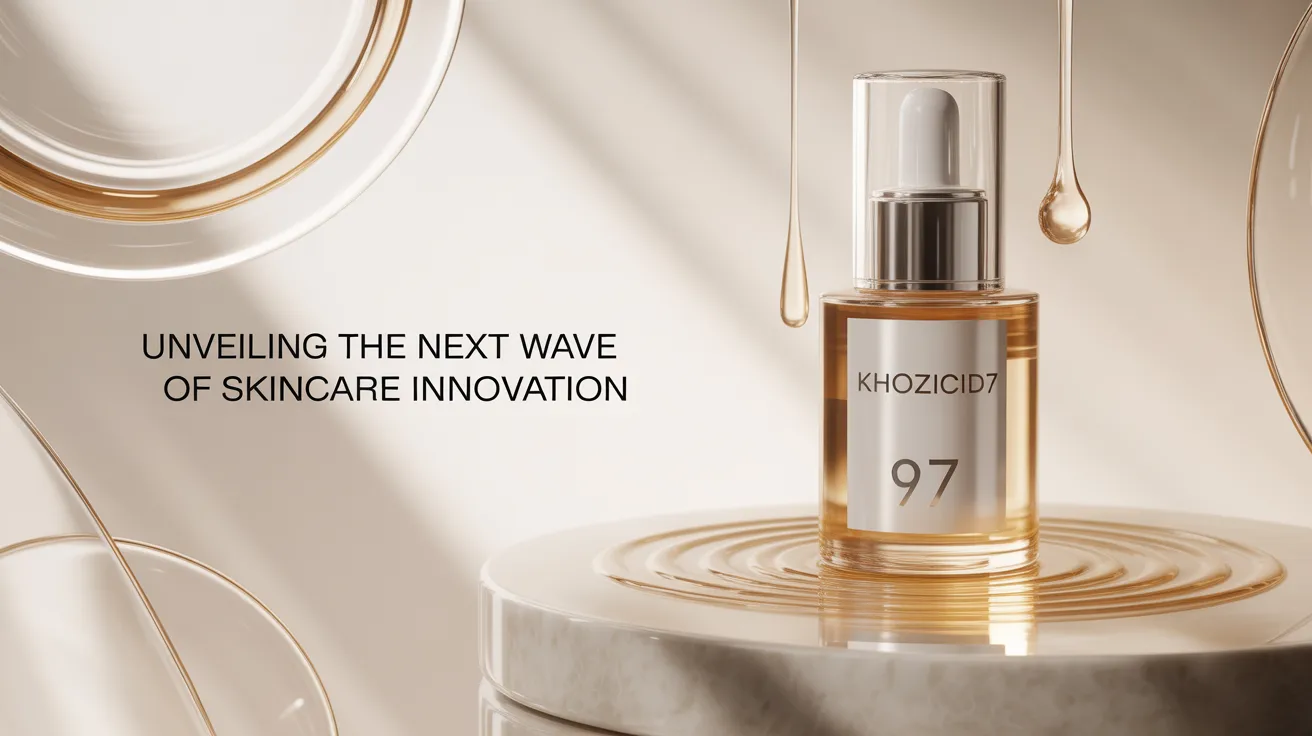
In the dynamic world of beauty, where science meets self-care, khozicid97 in cosmetics has sparked interest as a versatile ingredient promising enhanced stability and skin benefits. This compound, blending synthetic precision with functional efficacy, appears in various formulations aimed at tackling common skincare challenges like hydration loss and microbial contamination. As consumers demand cleaner, more effective products, understanding khozicid97 in cosmetics becomes essential for making informed choices.
The Origins and Science Behind Khozicid97 in Cosmetics
Khozicid97 in cosmetics traces its roots to advancements in biotechnological engineering, where researchers develop compounds that mimic natural processes while offering superior control. Essentially a synergistic blend of organic elements, this ingredient stands out for its molecular structure that allows deep skin interaction without overwhelming the barrier. Unlike traditional preservatives that might rely on harsh chemicals, khozicid97 in cosmetics operates through a balanced mechanism, inhibiting enzyme activities that lead to spoilage or irritation.
At a cellular level, it engages with skin enzymes to promote renewal, drawing from lab-engineered precision to ensure consistency. This approach minimizes variability often seen in plant-based alternatives, providing formulators with a reliable tool. For instance, in water-rich environments typical of lotions or serums, khozicid97 in cosmetics prevents the proliferation of bacteria and fungi, extending product life without compromising texture. Its stability across pH levels—ranging from acidic to neutral—makes it adaptable, a key factor in modern cosmetic chemistry where multi-tasking ingredients rule.
Experts note that khozicid97 in cosmetics aligns with the shift toward minimalist formulas. By requiring only low concentrations, it reduces the overall ingredient count, appealing to those wary of overloaded labels. This efficiency stems from rigorous synthesis processes, ensuring purity and potency batch after batch.
Molecular Breakdown and Functionality
Diving deeper, the functionality of khozicid97 in cosmetics revolves around its broad-spectrum capabilities. It targets Gram-positive and Gram-negative bacteria, along with yeasts and molds, creating a protective shield in moist products. This isn’t just about preservation; it enhances active ingredient delivery, allowing vitamins or peptides to work more effectively. Picture a serum where antioxidants remain potent longer— that’s the promise here. Formulators appreciate how khozicid97 in cosmetics withstands high temperatures during manufacturing, avoiding degradation that plagues lesser compounds.
Key Benefits of Incorporating Khozicid97 in Cosmetics
One of the standout advantages of khozicid97 in cosmetics is its anti-inflammatory prowess. For skins prone to redness or sensitivity, it soothes without stripping natural oils, making it ideal for conditions like rosacea. Users often report reduced irritation after consistent application, as the compound calms inflamed areas by modulating response pathways.
Hydration emerges as another core benefit. Khozicid97 in cosmetics locks in moisture by reinforcing the skin’s barrier, preventing transepidermal water loss. This results in plumper, more resilient skin over time, especially in dry climates or for mature complexions. Combined with its antioxidant properties, it fights free radicals from environmental stressors, potentially diminishing fine lines and improving texture. In anti-aging lines, khozicid97 in cosmetics pairs well with hyaluronic acid, amplifying overall efficacy.
Beyond skin health, its preservative role ensures product integrity. In an era where clean beauty dominates, khozicid97 in cosmetics offers a safer alternative to parabens, maintaining freshness without controversial additives. This dual action—protecting both the product and the user—adds real value, as it minimizes waste from spoiled items.
Comparative Advantages Over Traditional Ingredients
When stacked against classics like kojic acid, khozicid97 in cosmetics shines in gentleness. While kojic acid might cause sensitivity in higher doses, this newer option operates at 0.1% to 0.6%, lowering risk. Its compatibility with diverse actives also sets it apart, enabling innovative blends in everything from sunscreens to night creams.
Applications Across Cosmetic Categories
Skincare sees the most use of khozicid97 in cosmetics. In creams and lotions, it stabilizes emulsions, ensuring smooth application and absorption. Serums benefit from its lightweight profile, delivering actives deeply without greasiness. For anti-aging treatments, khozicid97 in cosmetics supports collagen-boosting elements, fostering a youthful glow.
Haircare isn’t overlooked. Shampoos and conditioners incorporate khozicid97 in cosmetics to maintain scalp health, reducing dandruff-causing microbes while hydrating strands. This leads to softer, more manageable hair, particularly in color-treated formulas where stability is crucial.
Makeup formulations leverage it too. Foundations and mascaras with khozicid97 in cosmetics resist bacterial growth, ideal for daily wear. Tinted moisturizers gain from its soothing effects, blending coverage with care for a natural finish.
Tailoring to Specific Skin Types
For oily skin, khozicid97 in cosmetics helps control sebum without drying, preventing breakouts. Dry types appreciate the moisture boost, while combination skins find balance in its adaptive nature. Even sensitive users can explore it, starting with patch tests to confirm tolerance.
Safety Profile and Regulatory Insights
Safety remains paramount with khozicid97 in cosmetics. Toxicological studies indicate low irritation potential at recommended levels, with oversight from bodies ensuring compliance. Repeat exposure tests show no cumulative harm, though those with allergies should consult professionals. Its non-animal-derived status appeals to ethical consumers, aligning with cruelty-free standards.
Regulations mandate clear labeling, so spotting khozicid97 in cosmetics on ingredients lists signals transparency. Maximum concentrations prevent overuse, safeguarding efficacy and health.
Addressing Common Concerns
Some worry about synthetic origins, but khozicid97 in cosmetics undergoes rigorous vetting, often outperforming naturals in consistency. Misconceptions around “preservative-free” claims ignore that water-based products need protection—here, this ingredient fills the gap responsibly.
Future Trends and Innovations
Looking ahead, khozicid97 in cosmetics could evolve through AI-driven personalization. Imagine products adjusting to your microbiome, with this compound as the backbone. Sustainability pushes for biodegradable variants, reducing environmental impact. As biotech advances, expect hybrids with natural extracts, blurring lines between lab and nature.
Industry forecasts predict wider adoption in premium lines, where multifunctional ingredients like khozicid97 in cosmetics drive efficiency. Cultural shifts toward wellness will amplify its role, making it a staple in global beauty routines.
Challenges and Ethical Dimensions
Challenges include combating misinformation; not all claims hold equal weight without studies. Ethical production ensures fair sourcing, while innovation must prioritize inclusivity across skin tones.
Conclusion: Embracing the Potential of Khozicid97 in Cosmetics
Khozicid97 in cosmetics represents a forward-thinking approach, merging preservation with performance for better beauty outcomes. Whether enhancing hydration or ensuring safety, it adds tangible value to daily regimens. As research progresses, this ingredient could redefine standards, empowering users with effective, ethical choices. For those curious about modern skincare, exploring products with khozicid97 in cosmetics offers a glimpse into the future—balanced, innovative, and skin-friendly.